Friday, December 12, 2025

Feminism and History and Illustration- Oh My!

 Hello beautiful Bookbaggers! It’s been a minute since we last spoke!

I have to apologize for my extended absence from this blog, life has been getting in the way of my posting this semester. I hope you didn’t miss me too much, but to make up for my… procrastination… I have a great lineup of book recommendations and some amazing songs for you all as we head into the 2025 holiday season!

Before I get to any of that however, I would like to take some time to talk about my mama, the original Bookbagger: Dr. Jessica Martin. 

This Monday– December 8th– would have marked her 51st birthday. This is the seventh December without her, and the sixth year since her death. 

I saw a quote the other day that went something like this: “and so I process grief by running from it until it finds me in the middle of the street on a beautiful sunny day”. This really resonated with me, as much of my life up to this point has been spent learning and re-learning the lesson that grief cannot be deconstructed into stages, nor can it be logically processed. No one can skirt around it, there is no shortcut, no procedure to rid yourself of it– it is something we must learn to carry, something we must learn to grow around. I spent so much time in the past six years pushing the pain of grieving my mother away, that it eventually found me in the middle of the street on a sunny day.

I got sick and tired of running, so for the past year (and some change) I’ve been working to shift the way I think about grief, and I think I’ve come to a conclusion: I don’t think I want to rid myself of it. I think grief is the inevitable counterpart of love. No matter who you are, eventually you will lose someone you love and it will bring you to your knees. This is the human condition. No matter how heavy this loss weighs on you however, the grief that accompanies it is not the enemy. It is how we love people when they are no longer a part of our lives- we make them a part of ourselves. I had to embrace grief because I needed my mom. I needed– and continue to need– her presence, and she is present in this embrace of grief. 

My wonderful dad and brother came to visit me on the Sunday before her birthday. We decided to get sushi for lunch and take a trip to a local bookstore– two things we know she would have loved. We embrace her and her life through the rebellious act of seeking happiness. We embraced grief together, and in doing so we were able to embrace Mom. Grief is not the enemy, it does not seek to drag us backwards into the past. Grief is an avenue for the past– and the people who lived in it– to exist with us in the present. I exist with my mother in the present when I look through our photographs, when I spend time tearing through a good book, when I write, when I listen to her music, and when I cry for the loss of her physical presence. Grief allows us to carry the people we have lost with us. It found me in the middle of a sunny street and brought me to my knees, and I suddenly realized that running from grief meant running from her, so I took a breath and embraced it all. 

Part of how I hold my mom close is through reading, learning, and through my updates on this blog. My dad and brother and I’s tradition of buying books for my mom’s birthday contributed greatly to this edition of Bookbagginit– as two of the books in this post are ones I acquired through this celebration. So on that note, I’ll get into my recommendations!


Sue me, but I want to kick off my recommendations with some dessert before dinner and start with a graphic novel. Kylooe is an absolutely stunning work of art, with an equally stunning story to match. Little Thunder’s 2012 graphic novel took me all of two hours to read, but I have to say I loved all 120 minutes. The illustrations in this book transported me into another world, creating an entirely magical experience. I don’t think I put the book down once from the moment I opened it. 

Little Thunder states that they aim for their illustrations to reflect the feeling of dreaming. All three portions of Kylooe embrace this surreal feeling– in narrative beats and aesthetics alike. 

The first segment of the story follows an isolated and emotionally neglected teen girl as she finds some solace from daily life in her dreams. The first story is the most fantastical of the three, guiding readers through Lanyue’s dreams and nightmares alike– inviting them to experience the emotional rollercoaster of teenagehood. 

The second segment of the novel is a reflection on past love, where the protagonist– Sanyi– finds himself lost in the memories of the one that got away. Sanyi’s pain is tangible, as he swims in his regret over his past mistakes. The narrative is a reflection on young love, pushing readers to examine their relationship to the past– and the people in it. 

The final segment of the novel explores a reality where the government restricts public emotional expression– making it illegal for citizens to smile, laugh, cry, or yell under threat of imprisonment. The narrative boldly examines fatherhood, authoritarianism, and grief in this dystopian world, asking readers to think critically about restriction and power– on a national and interpersonal scale. 

All three stories in the novel– though they may seem unrelated– incorporate the character “Kylooe” in one way or another, with the fuzzy monster taking on a new connotation each time to create a meaningful, occasionally absurdist, reading experience. 

Overall, I would highly recommend adding this one to your bookshelf. Kylooe is a beautiful, surreal read that I know I’ll be returning to should I find myself in need of artistic inspiration. 


Pagan Kennedy’s “The Secret History of the Rape Kit” was simultaneously fascinating and horrifying. Throughout the book Kennedy details her journalistic experience as she delves into the history of the rape kit and it’s invisible creator Marty Goddard. As a survivor of sexual violence when I saw this book on the shelf I was initially hesitant to give it a read, as I feared I might be overwhelmed with the content and never finish the book. I was immediately proven wrong when I opened the book to read a few pages and immediately became invested in Goddard’s story. 

I would argue that this is my favorite book I’ve read this year. Kennedy’s passionate search for Marty Goddard paralleled my own search for comfort and guidance in the wake of the assault I experienced as a young teenager– I felt Kennedy’s desperation in the core of my being, and her mindful approach to the horrifying subject matter of the book allowed me to learn without feeling isolated due to my sensitivity. 

Everything Kennedy revealed in the book- from Marty’s creation of the kit, to Playboy’s involvement in its establishment, to the modern issues Kennedy investigated in regards to survivors and their care– was new information to me. There was a sense of urgency within me as I read, as if I had just gained access to a forbidden wealth of information and if I didn’t finish the book quickly enough it might be ripped from my hands. 

The book struck me, placing a persistent question in my head: “why did I never know any of this before?”

Even as a survivor of sexual violence, an undergraduate history student, and a gender studies minor, I had never been presented with detailed information about the rape kit. In fact, I’m ashamed to admit that all I knew about the kit itself was that it was invented sometime in the 70s, and it was a resource for survivors to tell their story in court through evidence collected in an invasive exam. I had no idea that sexual assault was largely considered an “unsolvable crime” prior to the late 20th century, I had no idea Marty Goddard existed, I had no idea that Marty changed the world and then disappeared. 

I genuinely think everyone needs to read this book at some point in their lives. Even if you aren’t a survivor or an AFAB person, the historical and sociological implications of the information in the pages of this book are so incredibly important. Kennedy’s book creates an avenue for the uncomfortable conversations surrounding rape and sexual assault: the patriarchial systems which perpetuate sexual violence, the racialized aspects of sexual assault legislation and survivor care, and the ways in which sexual violence has been combatted throughout American history. 

Kennedy and Goddard are both examples of the transformative power of history, and I believe Marty’s story is one that everyone should know. I genuinely cannot recommend this book enough– as horrifying as it was, I finished the book with a newfound assurance. The subject matter is grim, but the people Kennedy interviews– their stories she tells– brought me so much hope. If you had to pick just one book from this post to read, I genuinely hope it’s this one. 


If you know me, you know that I absolutely ADORE Audre Lorde and her work. Her essay “The Erotic and its Uses” is nothing short of sacred to me, and I’m always on the hunt for more of Audre’s work. 

I was recently lucky enough to take a short trip to Washington, DC and spend a day museum hopping with my grandmother. During our romp through the national museums (and the National Archives AH) we explored the National Museum of African American History and Culture. The museum was absolutely incredible, I spent hours combing through the exhibits and chatting with fellow museum-goers, the experience was absolutely inspirational for me as a history student. On our way out, we made a pit-stop in the gift shop, where I was delighted to find a robust selection of books on Black history, intersectional feminism, Black Queer social movements, and of course a smattering of works from Audre herself. 

When I saw “The Cancer Journals” I immediately knew it had to come home with me– carry-on baggage be damned. 

The intersection of my favorite author and her reflections on her experience with cancer called to me– as cancer is a beast I am all too familiar with. I was excited to find a new work by Lorde, and curious to see how her experiences might differ from my mother’s reflections on her own journey with cancer treatment. 

Lorde’s reflection on her diagnosis, treatment, and remission from breast cancer is incredibly moving. Her style of writing is poetic and emotionally evocative, as she guides readers through her life at the intersection of multiple identities and experiences. As a Black, Lesbian woman, Lorde’s experience with breast cancer does not exist in a vaccumm– it exists in the context of her intersecting identities. Lorde unpacks this intersection, discussing how her cancer diagnosis forced her to re-frame her perspective and approach to her body, life, and relationship to femininity. 

Lorde re-frames her relationship with fear, life and death, stating: “When I dare to be powerful, to use my strength in the service of my vision, then it becomes less and less important whether I am afraid”. Through the various works included in Lorde’s book, I came to an understanding of her relationship to fear– a relationship to fear I saw mirrored in my own mother years ago. We do not have to be fearless to be powerful, to make change in the world or our lives. We need to do it afraid. Radical acceptance of fear– fear of dying, fear of nonconformity, fear of change– enables us to pursue our goals with more power than we could harness should we be fearless. Fear is a tether, but it is not a prison– it is a reminder that we are human, and it becomes less and less important when we dare to harness our own strength in the service of our fulfillment and passion. This is the erotic as described by Lorde– the radical pursuit of our passion. In harnessing the full power of eros, fear loses its power over us and our lives. 

Overall, “The Cancer Journals” was an incredible read. Audre Lorde will always hold her position in my heart, mind, and ideological framework– and this book only reinforced my love for her, her life, and her work. 


Bell Hooks is another author I have a long-standing admiration for. Her work is eternally courageous, thoughtful, poetic, and transformative– and “The Will to Change” is no different. 

“The Will to Change: Men, Masculinity and Love” is a think-piece in the realm of feminist conversation, as Hooks’ analysis of the patriarchy throughout the book seeks to address a contentious subject within the feminist movement: the role of men and masculinity in perpetuating or dismantling patriarchal institutions. 

Hooks is intentional in the ways she deconstructs masculinity, emphasizing the coexistence between the patriarchal violence and oppression that men often reinforce and the unforgiving expectations and roles that the patriarchy necessitates men to conform to. Men and boys are not exempt from being harmed by patriarchal institutions, but this does not erase the harm they may have caused– nor does this unburden them from engaging in the deconstruction of patriarchy or their responsibility to resist these systems. 

The world of feminist literature– specifically white feminist thought– tends to centralize the feminist movement and its ideological frameworks around femininity, and this is not inherently wrong. However, where “popular feminism” tends to fail is in the acknowledgement and analysis of patriarchy through an intersectional lens. Intersectionality requires us to engage with unfamiliar experiences and think critically about the ways in which our own identities– whether that be gender, sexual orientation, race or ethnicity, disability status, or class– have impacted the ways we experience systems of oppression. Feminist movements built on restricted experiences have restricted outcomes. In order to successfully deconstruct systematic oppression, these intersections of identity and experience need to become a part of the larger conversation, and this conversation cannot be restricted to discussion of femininity. 

Hooks’ work does not discount the violence inflicted onto feminine individuals by men– she simply guides readers to confront the ways in which they think about men and their place in society. She poses a powerful argument against misandry, encouraging a shift in the way we collectively conceptualize masculinity as a whole. 

I would highly recommend this book to anyone interested in gender studies, as Hooks is an incredibly thoughtful and engaging voice in the intersectional feminist movement, and her work is reflective of her own journey in deconstructing systematic violence. I never seem to get enough of her work, and I always come away with a more thoughtful analysis of my own lived experience. 


Hooks’ work wraps up my reading recommendations for this post, so I would like to thank you my dear Bookbaggers for sticking with me! I hope you feel inspired to visit your public library (which reminds me: I need to return my books…) or pick up the next book on your reading list!

To wrap up this post I would like to leave you with a few songs that have been getting me through finals season!

The first of my recommendations is a song that might not be everyone’s jam, but one that I’ve had on repeat for the past couple weeks. Machine Girl’s “Necro Culture Vulture” is a brazen mix of hardcore punk, industrial, and breakcore with a fantastically energetic bridge. The song blends its hardcore edges with dreamy internet soundscapes to create a unique listening experience– though I must warn my Gen X readers that this is the exact kind of song my dad would deem as “just a bunch of noise”, so take my recommendation with a grain of salt. This song has been on constant repeat as I exhaustedly work my way through ridiculously long research articulations and final projects, and it has definitely brought some energy into the end of the semester. 


My next song recommendation: Soccer Mommy’s “Your Dog” is a hauntingly beautiful indie ballad and a reflection on toxic relationships. Despite only discovering this song shortly before the “Spotify Wrapped” cutoff date on November 1st, I managed to listen to it 106 times in the span of two months, landing it a solid spot in my top five songs of 2025. Despite the masterful composition, catchy tune, and dreamlike vocals, the lyrics of “Your Dog” take the spotlight for me– articulating the way I struggled through past relationships in an uncannily accurate manner. The story the song tells is relatable across many experiences with unhealthy relationships, making it easy to connect to the lyrics on a deeper level. With sickening accuracy, Soccer Mommy conveys self-betrayal, anger, codependence, and isolation all in one go. No matter your lived experience, the emotion behind the phrase “I don’t want to be your fucking dog” is tangible. 


My final recommendation for you– wonderful Bookbagginit collective– is one every “Cranberries” fan needs to hear at least once in their life. During the Cranberries hiatus– lasting from 2003 until 2009– the band’s lead singer, Dolores O’Riorden, released two albums: “Are You Listening” in 2007, and “No Baggage” in 2009. Both albums are incredible, and stand as a testament to Dolores’ talent as a singer and songwriter. Personally I’m partial to “Are You Listening”, which includes my final song: “Loser”. 

“Loser” is an energetic romp through the alternative rock genre, with Dolores’ vocals serving as the star of the show. The song perfectly captures teen and young adult angst alike: the anger just for anger’s sake, the wanting to reject “taking the higher road”. Dolores shouts: “I’d rather wind up with nothing at all than take a loser like you through it all”, reaching out to connect with the angry teenage girl that lives in so many of us. If you have a chance, I would highly recommend giving it a listen!


And with that Bookbaggers, I bid you adieu for today. I want to be more consistent and intentional with my posts here, so I hope to have another issue out in the next month or so! Thank you so much for taking the time out of your day to be here with me, I wish you all a beautiful holiday season and I’ll be back in the new year!

  • Jay

Sunday, January 26, 2025

I Will Not Go Gentle Into The Night - an Anti-Fascism Starter Kit

    "Where is God? Where is He"? Elie Wiesel asked in 1979 in his work The Trial of God. The answer lies In Fedrick Nietzsche's 1882 writing, The Gay Science:  "God is dead. God remains dead. And we have killed him". God is dead. God remains dead. And we have killed him. 

      Fascism is defined as "A far-right:

Elon Musk: a member of Donald Trump's cabinet, performs a Nazi salute on live television. 


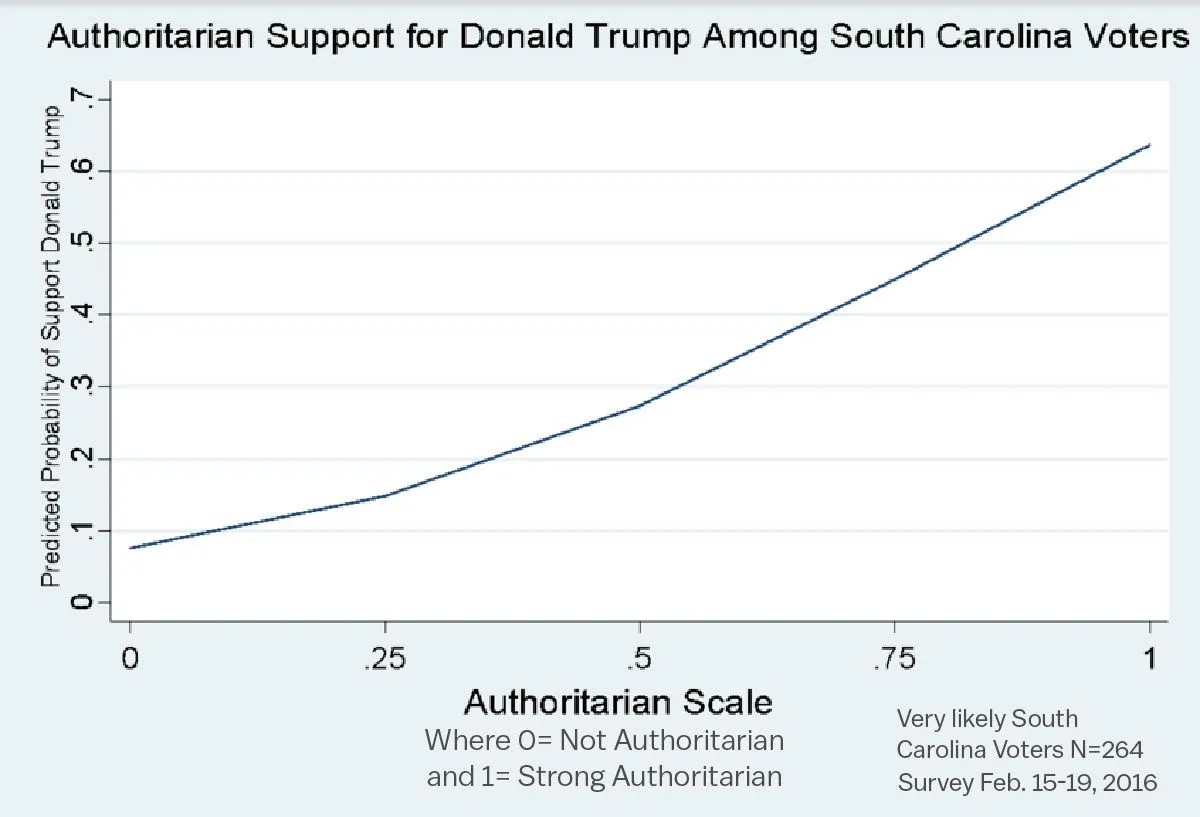
    Authoritarian:

Dr. Matthew MacWilliams- Recognized expert on authoritarianism, 2024 polling of South Carolina voters.


    Ultranationalist political ideology:
 
Trump supporters overrun the Capitol building on January 6th, 2021 to attempt to overturn election results. 

        
     Characterized by a dictatorial leader:
   
"John Kelly, the retired Marine general who was Donald Trump’s White House chief of staff, entered the 2024 fray in stunning fashion in a series of interviews published Tuesday, saying the former president fits “into the general definition of fascist” and that he spoke of the loyalty of Hitler’s Nazi generals." - CNN, October 23, 2024

“He says, ‘You’re not going to be a dictator, are you?’ I said: ‘No, no, no, other than day one. We’re closing the border, and we’re drilling, drilling, drilling. After that, I’m not a dictator.’” - Donald Trump and AP News, December 7th, 2023

"Whether or not he was kidding about bringing a tyrannical end to our 248-year experiment in democracy, I ask him, Don’t you see why many Americans see such talk of dictatorship as contrary to our most cherished principles? Trump says no. Quite the opposite, he insists. “I think a lot of people like it.”" - Donald Trump to TIME magazine, April 30th, 2024
    

    Centralized Autocracy:

"Rep. Ogles Proposes Amending the 22nd Amendment to Allow Trump to Serve a Third Term" - Tennesee Representative Andy Ogles:  joint House resolution proposition, January 23rd, 2025

"This amendment would allow President Trump to serve three terms, ensuring that we can sustain the bold leadership our nation so desperately needs." - Representative Andy Ogles 

    Militarism:

Donald Trump deploys National Guard troops to Washington D.C to mobilize against peaceful protesters, on June 6th 2024

    Forcible suppression of opposition: 

"The state is now the strictest in the country with regard to mail-in voting verification: in a change since 2020, voters must produce a photo ID to vote, whether in-person or by mail. Mail voters must now include a copy of their ID along with a notary’s signature or the signature of two witnesses, and they must be received by Election Day to be counted (previously those postmarked by Election Day were counted)." - Voting Rights Lab, comments on North Carolina mail-in voting, October 7th, 2024

"A 'constitutional sheriff' tried to seize voting machines in 2020. Officials are bracing for a repeat." - NBC News Headline addressing the 'Constitutional Sherriff's' movement and their involvement with the 2020 election denial movement, November 3rd, 2024

    And subordination of individual interests for the perceived good of the nation or race":

"Let's be clear. TikTok is absolutely a national security threat," - representative Mike Turner, Face the Nation, January 26th, 2025

"Through an executive order, the Trump administration is attempting to revoke citizenship from some U.S.-born children of immigrants. This right is protected by the 14th Amendment of the Constitution. As of this writing, more than 20 states have already filed suit to challenge the order and uphold this fundamental right. A federal judge has already temporarily blocked the executive order, calling it “blatantly unconstitutional."" - American Friends Service Committee, January 24th, 2025

": Project 2025 calls for more than doubling
the number of immigrants, up to 100,000 on any day, who can be locked up while facing
deportation. It calls for more immigrants to be subject to mandatory deportation,
regardless of whether they are a flight or public safety risk" - The Leadership Conference, August 2024

"Sweeping Raids, Giant Camps and Mass Deportations: Inside Trump’s 2025 Immigration Plans:
If he regains power, Donald Trump wants not only to revive some of the immigration policies criticized as draconian during his presidency, but expand and toughen them." - The New York Times Headline, November 11, 2023

    My beloved bookbaggers, I apologize for the cold open, and for the delay on my next post. As you can see from what you've just read, from the news, from the 20 executive orders issued on January 20th, from the 78 executive orders rescinded in the first 48 hours of the 47th President's term: a lot is going on. When I refer to the United States as being a soft fascist regime, or when I refer to our president as a fascist, this is what I mean. What I showed you just now, you and I both know, is only the tip of the iceberg. In the last week, I lost my right to be protected against anti-LGBT discrimination in the workplace, at the doctor's office, and at my school. (Executive order "Defending Women From Gender Ideology Extremism and Restoring Biological Truth to the Federal Government"). Many of my friends lost their right to have their correct gender marker on their Passports and government documents, as well as their right to use the bathrooms they feel safe in on federal property (which includes federally funded college campuses). I lost the ability to apply for equity-based grants and scholarships to help pay for my college as a member of several minority groups. My community of fellow transgender and nonbinary individuals lost our right to serve our country, should we choose to. (Rescission of Executive Order 14004). I, and other survivors of sexual violence lost valuable protections against harassment in schools. (Resscession of Executive Order 14021). This all happened in 48 hours. In addition to this, an Idaho State House committee overwhelmingly passed a resolution, which calls on the Supreme Court to overturn Obergefell v. Hodges, which nationally recognized gay marriage in 2015. When I tell you I am scared, I mean I am terrified. I mean I am angry. I mean that this hits close to home. I may not ever be able to get married and have that union be recognized federally (if my partner or I was in the hospital I would not be recognized as family, if my partner or I were sick I could not take family leave to care for them, without legally recognized marriage I would be unable to file for joint adoption or foster care if I ever wanted to, I could go on). I will not be federally protected from identity-based harassment at my workplace, my college, or while I am searching for housing next semester. I will, and my community will, and our country will suffer the consequences of this presidency. I can only speak for the effect this is having on me, and the minority groups I belong to. There are millions of Americans and citizens of this country who are impacted differently than I am, and they also deserve to be fought for. 
    My hope is that, in my saying these things I have made an impact on you. We all know there is much to be lost, and my intention in telling you all of this is not to scare you, nor is it to sensationalize or dramatize the current situation in our country. No, dear bookbagger, my intention is to inspire you. My intention is to provide you with the resources I have found and to hold your hand as we walk into this fight together. The readings in this post are what I like to call my "anti-fascism starter kit". Some of these are slightly unconventional or uncommon, while others, you might have read or heard of in your day-to-day. 
    The first reading is one that I have been holding close to my chest for the past few weeks: Dylan Thomas' "Do Not Go Gentle Into That Good Night" had a profound effect on me the first time I read it. 
    
"Do not go gentle into that good night,
Old age should burn and rave at close of day;
Rage, rage against the dying of the light."

    "Rage, rage against the dying of the light". This specific line jumped out to me immediately on my first read. As someone who has studied history practically their whole life (thank you Mama for the head start!), there are recognizable patterns. One such pattern is complacency. When people in positions of power choose not to act when they see violence and oppression, this only feeds the flame. Oppression thrives on non-intervention, it thrives when people disregard what they are seeing for the sake of preserving the status quo. I would highly recommend giving this poem a quick read, so perhaps you too can repeat this in your head as we rage against the dying of the light. 
    
    The second reading is one I completed quite a while ago. After reading Elie Wiesel's Night in my high school English class, I felt compelled to find more of his work. I worked my way through the whole Night Trilogy and eventually found my way to his play: The Trial of God
    The Trial of God is set in a fictional environment (constructed within Eastern Europe in the 1640s) but is based on the events that Weisel witnessed as a teenager in Auschwitz. This play is less focused on the idea of sparking a revolution and more invested in the theoretical. In the play, God himself is indicted for allowing his children to be massacred. The play, like the rest of Wiesel's writing, gives an equally interesting and heart-wrenching perspective on the concept of religion. Wiesel's characters: three Rabbis, spend several nights putting the divine itself on trial, which is both conceptually fascinating and bleak. This play is incredible, and if you haven't read "Night" yet, I would strongly recommend you read that as a precursor, as I believe The Trial of God will leave more of an impact after reading Wiesel's journey with his loss of faith inside Auschwitz. 

    The third reading is quite literally a handbook on anti-fascist ideology. I do not recommend this one to you in hopes that you will agree with everything that is said, but to provide you with valuable knowledge about the anti-fascist movement as a whole: where it started, how it works, common misconceptions about the movement, etc. I want to preface this recommendation by sharing with you that "Antifa" is not an official organization (they have no internal hierarchy, nor do they have a universal set of practices or beliefs). Rather, it serves as an umbrella term for far-left people who are resisting neo-nazi movements and white supremacy. So again, I recommend this reading in hopes that you can learn more about this specific sector of the anti-fascist movement, not necessarily to identify with it or join it yourself. The Anti-Fascist Handbook was published in 2017 by author Mark Brey, who does a fantastic job summarizing the history of anti-fascism into the modern era. Brey also uses the book to pose important questions about the nature of free speech, analyze ineffective strategies employed against discrimination, and to push the reader to think about their own deeply held convictions (political, moral, social, or otherwise). I really enjoyed reading this book because it forced me to ask uncomfortable questions about myself and my country. It caused me to pose the question: "How free is our 'free' nation"? If you're ready to learn some new history and peek into an often mischaracterized movement, then I would encourage you to give this book a read! You can find a PDF for free online with a quick Google search, which is one of the nice things about socialist-leaning literature, the authors are almost always willing to put out free copies. 
   
    My last book recommendation for you is an autobiographical work that I am currently reading for my History of Western Civilization course. The interesting narrative of the life of Olaudah Equiano was published for the first time in 1789, and was written by Olaudah Equiano (also known as Gustavus Vassa). Equiano writes about his childhood, growing up in a Nigerian village with his father as the Cheif, how his sister and he were kidnapped into the slave trade in their youth, his experience as a slave in Virginia and on British navy vessels, and his life after he eventually gained his freedom back. Equiano's narrative is unique in that he takes a very different approach to telling his story. Equiano writes objectively, forgoing to elaborate on much of the abject horror he was exposed to, and preferring to talk about the cultural progression he witnessed within his communities. Equiano explains to the reader how the cultural progression of enslaved communities was nonlinear and often eclipsed by the overall progression of Western society. He is revolutionary in that he tells his own story (rather than having someone retroactively and impersonally write about his life), and in that he can paint himself as a flawed character. Equiano takes an interesting approach to narrating his life, and I ask you to go give his book a read, as I cannot do his story justice, nor would I try to when he has already done so himself. 
    
    And finally, bookbaggers, I do have some song recommendations for you! If you've made it this far, I appreciate you immensely for sticking with me and my political nature, and I would like to push you towards the music I've been listening to as of late so you may share in my world. 

    The first song is one you'll likely have heard if you've ever had the displeasure of riding in the passenger seat of my car (deemed the "jerk mobile" by my younger brother as I struggled to learn to drive stickshift over my winter break). "Bang Bang" by Momma is a brain worm with an incredible guitar riff and bridge to back it up, and I have truly listened to it a ridiculous amount of times since the new year rolled around. The melody of the song is both sultry and energetic, and it draws you in from the first second with its interesting backing track. I adore this song, and I hope you will too!
    The second song is one that a certain radio segment host showed to me and one that has continued to grow on me since the first time I heard it. "Dance in Room Song" by Sipper evokes a feeling of driving in your car on a rainy night, watching the streetlights smudge in your windows. If that makes any sense at all, go give this one a listen! The song may be short, but I always turn up my volume when it comes on!
    The final song recommendation never fails to make me tear up, as its grief-infused lyrics hit so close to home. I believe the song is about the concept of "via negativa" which is a method of religious reasoning where the divine is described not for what it is, but for what it is not. Despite this likely being the true meaning of the song, the lyrics feel like a nearly universal description of grieving. Though it does not make much sense to say this logically, if you turn this one on, you'll understand. The song is titled "Not" and it is written by Big Thief, I'd love to hear your thoughts on it :)
    
    With that, my bookbaggers, I thank you for staying with me till the end of this month's issue, I hope you can find inspiration not just within my words, but within the writing I have shared with you today. Do not go gentle into that good night my reader, stand with your community, and with the groups who are fighting for justice in this country and around the world. No one is free until we all are, this is essential. I wish you a wonderful rest of your day! Thank you for sharing some of it with me, and with Bookbaggin it!


Wednesday, December 4, 2024

Claire DeVoodgd’s “VIA”, Some Various Political Readings, and The United States V. Skrmetti

 Hey there Bookbaggers! I wanted to drop off my current reading list for you all (with the bonus of some strange tales and tidbits), as well as make you all aware of a vitally important Supreme Court case that is taking place. I’ll be talking about the court case first, as I really need to get this off my chest. I would like to add a pretty heavy trigger warning for any of you who are sensitive to topics of self-harm, gender dysphoria, eating disorders, or transphobia/homophobia. This might not be the one for you, and I love and respect you all the more if you need to give this one a pass.

As some of you may know, today, the Supreme Court of the United States is hearing the case of United States V. Skrmetti. This court case will decide whether Tennessee Bill 1 (a bill which prohibits all medical care allowing “a minor to identify with, or live as, a purported identity inconsistent with the minor’s sex”, or to treat “purported discomfort or distress from a discordance between the minor’s sex and asserted identity”) violates the equal protection clause under the 14th Amendment. Essentially, Srkmetti is fighting to protect gender-affirming healthcare for minors. Gender-affirming healthcare includes puberty blockers and hormone treatment, which are both life-saving for transgender children.

This isn’t something that I typically share online, as doing so puts me in a risky position. However, I feel that my story deserves to be shared. 

I am nonbinary. I have identified as such since I was ten years old when I first heard the phrase in my middle school’s GSA club. I received gender-affirming healthcare as a minor, and it saved my life. I would not be here, writing to all of you, if it weren’t for the support of my parents, doctors, and therapists who fought for me to receive this care. Though my gender expression has shifted over the years, I have never, not for a second, regretted receiving this care. 

When I was 13 years old, not long after my mother passed away, I came out to my dad and my step-mom as being a transgender individual, I expressed my desire to change my name, and to eventually go on Testosterone: hormone therapy administered to transmasculine (assigned female at birth, but identifying with being either male or some non-female gender, to put it simply) individuals. My father and my stepmom were immediately supportive of me. I remember my heart filling with relief, joy, and warmth, as my parents told me they would love me no matter who I was, and as we all walked to the basement to explain my coming out to my younger brother.

It was several years before I was able to receive hormone therapy in any form (to my chagrin at the time), and the journey was not easy. My dad, justifiably, was uneasy about the prospect of allowing me to make such a big decision at a young age. However, as I spent months, and then years, talking to therapists, psychologists, pediatricians, and endocrinologists about hormone therapy, the solution to easing my gender dysphoria became clearer.

When I was about 15 years old, I reached a point where my gender dysphoria (extreme discomfort with one’s sex assigned at birth) became nearly unbearable. I was miserable. Once a talkative kid, I struggled to speak, being unable to bear the sound of my voice when compared to the other boys my age. I showered in the dark. I struggled immensely with an eating disorder, using starvation to make my body appear more masculine. I over-exercised until I was so exhausted I could barely function. I had near-daily meltdowns due to my dysphoria. I developed a habit of hurting myself, a habit I would be unable to break free of until October of 2023. In other words: I could not continue like I was. 

My pediatrician, after watching me break down in tears for the umpteenth time, pulled my dad aside and explained to him that hormone therapy could change my life and that he and I could take the journey together, to do what was best for me. So, when I was 15, I was blessed to be able to start on a low-dose injection of testosterone. The first time I gave myself a “T-shot”, I felt that same sense of relief. There had been a weight sitting on my chest for so long, and I felt like I could breathe again. This feeling strengthened as I got stronger, listened to my voice drop, and watched some of the other effects of my medication kick in. For the first time since I was a kid, I felt at home in my body. Every kid, trans or not, queer or not, deserves to feel like their body is their own. I cannot fully explain how painful it was, before I was able to go on hormones, to not recognize my face in the mirror, or the voice in my throat. 

Because I’m nonbinary, and I don’t fully identify as male, I was only on testosterone for a year. I wanted the permanent vocal change, as well as some of the other, smaller effects that would make me feel more at home. Let me tell you: I have not, for even one second, felt any regret for receiving the care I did. My family, my friends, my teachers, and I, were all able to watch me grow into myself, becoming more open and comfortable with the person I was. I finally felt like I was able to grow up, to be in the same place as my peers. I felt like myself. I still do!

If it had not been for the support of my family, therapists, friends, and medical team, I would not have received this care. If I had been born into a state like Tennessee, I would not have received this care. If either of these misfortunes had been the case, I highly doubt I would be here today, writing to you all from this desk in my college dorm. I would never have experienced so many of the wonderful things that make up my life. The light in my best friend’s eyes when I see her after several days apart, the roar of laughter as I sit with my roommates and friends in the dorms, telling stupid jokes, the rush of emotion when I got to see my favorite band live for the first time, with some of my favorite people in the world, and of course the joy of discovering new books to read, and things to learn. There is so much laughter, and beauty, and joy. Queer joy, trans joy, is so so powerful, for we have Survived. 

There are so many trans and nonbinary kids who deserve to receive care in the way I did, I refuse to sit idly, with the comfort I have been afforded in my body, while these powerful young people are denied the same opportunities I was given: the opportunities to truly Live. All this to say: please write your senators, your local politicians, your representatives. Please get in their faces. Please sign petitions, donate to The Trevor Project or your local Queer advocacy groups (if you aren’t a broke college student, that is), take Action. Your actions, your words, and your power can and will inspire others. That’s all I have to say about US V. Srkmetti, and I hope you will carry my words with you as we collectively fight to protect the lives and well-being of trans and nonbinary youth in this country. 

In the spirit of uplifting queer joy, I would like to recommend you a wonderful YA novel I read a few years back: Aiden Thomas’ “Cemetery Boys” is a wonderful work of young-adult paranormal fiction. Written by a transgender author, and starring a transgender boy, the book can capture the trans experience wonderfully, without making the main character (Yadriel) centered around his transness. Yadriel, in this novel, is a “brujo”, practicing traditional witchcraft and religion in a practice central to Latin America and the West Indies (the religion: brujería, is a closed practice, meaning it is only allowed to be used by those who are born or invited into it). The plot of the book is twofold: both focusing on Yadriel and his accomplices’ mission to solve the mystery of their cousin- Miguel’s death, as well as the nuanced family dynamics that Yadriel encounters due to his Queerness. The book is incredibly realistic in its’ portrayal of nuanced issues, and every character involved in the story feels so tangible, with their own unique motivations and humanity. I would certainly give this one a read, as it is incredibly well-executed, and honestly, it's just fun!

My second book is one that I’m still annotating my way through, as there is just SO much to unpack. Howard Zinn’s “A People’s History of the United States” is one of the most important, evocative, and heartbreaking pieces of nonfiction I have encountered to date, and I cannot recommend this one enough. Expect to hear more from me about this one when I finish scribbling in the margins, but I’ll grace you with my thoughts on it so far. 

Zinn manages to capture the often-times stifled and honestly tragic history of minority groups in America, ranging from the “discovery” of our country into the period just before the Carter and Reagan eras. With heart-wrenching objectivity, he explains the stories that too frequently go untold in our history books. I managed to snatch a copy of this book from my favorite second-hand bookstore: The Eclectic Reader (which is certainly worth a visit if you find yourself in my neck of the woods), and I had a fascinating conversation with a fellow history buff. The older couple who owns the store are two of the most knowledgeable people I’ve had the pleasure of encountering since I moved out of my parent’s house, and being able to discuss this book with them was an experience I have long since bookmarked in my head. I would love to chat with other people who have read this awe-inducing work of non-fiction, so bear with me while I wrap this book up!

My final book recommendation comes with a rather strange story. My friends and I were hanging around outside “The Atrium” (a fun little underground bar and dance club that consistently hosts some of the best small artists in town), when we were approached by a strange man. Obviously, we all bristled a bit, as it was night-time, and he was a stranger, but he and I ended up having a brief and enjoyable conversation about literature. I told him that I write poetry on occasion, and he lit up with recommendations for me. 

After he left, my friends and I laughed, relieved that the encounter hadn’t turned sour or scary, and went back to chatting with the patrons of The Atrium. About two minutes later, I heard a window open and the same man, hanging out the window of the cafe that sits on the second floor of the building, called my name. I turned around as he wildly clambored out the window, and slid down the shingles of the roof towards the ground. He told me to hold out my hands, and I (albeit skeptically), obeyed. Into my open palms, he dropped a copy of Claire DeVoogd’s “VIA”. He had bookmarked a page for me, and I opened it to find a poem titled “Apocalypse (as the sun replies)”. He pointed to the poem, and exclaimed “That’s you! You’re the goddess of Apocalypse!”. 

This strange chance encounter not only won me a new book, but also one of my favorite compliments I have received to date. Prize in hand, my friends and I trekked back to the dorms, where I spent the rest of my evening reading through the book I had received. “VIA” is, in all honesty, one of the best poetry collections I have ever read. I adore the abstract horror that Claire paints when she references apocalypse again, and again, and again. Each poem in this book is striking, both in DeVoogd’s talent for writing and by essence alone. I cannot really convey the feelings that this art elicited from me, I can only recommend you check out Claire’s writing!

And after ALL of that, I have a couple of song recommendations for you all, before I relieve you of my ranting. As Spotify Wrapped just came out, I thought I would share some of my most-listened-to songs from this year!

The song I listened to the most this year is entirely unsurprising if you know me off of the internet, or have ever stalked my Spotify playlists. “Groan” by Dazey and the Scouts is by far my favorite song of all time, and I listen to it at least once a day. This year, I listened to the song a total of 533 times, which, I suppose, is why my friends are so sick of hearing it. I, however, am not. “Groan” is a power ballad of a song that makes me feel like I’m ascending to another place of being. I scream it in the car at every chance I get, and it always elicits a passion in me that I try to harness at every opportunity. Not to mention, the song is the opening track for (in my opinion) one of the best albums of all time. Dazey and the Scouts released their first (and only) album: maggot in 2018, and didn’t really see their songs gain mainstream popularity until the 2020 pandemic. I was introduced to Dazey in 2019, with their most popular song: “Wet”, which is a beautiful, angry, heartfelt song about the intensity of young love and heartbreak. Every song on the album is incredible in its own right, and Dazey manages to perfectly capture the emotions that run through many queer youth. No wonder it was the backtrack to my high school career!

The second song is one that was shared with me by someone pretty special to me. “American Beauty” by Biig Piig is a gorgeous, slow, and powerful song that I have had on repeat all year long. Not only are the lyrics incredible, but the melody of the song managed to capture my mind and my heart to the point I find myself humming the song under my breath as I go about my day. Go give it some love! 

The last song is another slower song, and it is one that I got to see live this Halloween! “Piedmont” by Destroy Boys has been my go-to “cry in the shower” song since I was a Junior in High School, and I am not ashamed to admit that I broke down in tears when I finally heard it performed live. This song truly had my high-school heart captured, and it’s one I brought with me to college without hesitation. When I hear the intro to this song, I will always feel “nostalgic for memories I haven’t had”. I would recommend not only listening to this song but diving into the whole Destroy Boys discography, as they are truly one of the most incredible bands I’ve found. 

And with that, I would like to thank you, dear bookbagger, for reading this LONG post, for sticking with me, and for valuing my opinions enough to devote time to reading them. Thank you, and I hope you have a very happy Holiday season! I’ll see you soon, if not in the new year! 

- J.M


Thursday, November 21, 2024

The passing of a torch, featuring my review of Mary L. Trump’s “Too Much, Never Enough”

 When my mother died in June of 2019, I was twelve years old. I won’t burden you with the extent of my experience, as that is not the point of this blog. However, I was unaware of “Bookbaggin it” until the weeks after she passed. I remember spending several months, pouring through her blog (this one as well as Dr.J Life This Way), hoping I could, at my young age, find solace in her words and carry her grace with me. 

I come to you now, as a college student. I’ve now observed five Christmases, birthdays, and holidays without the presence of my mom, as well as two major elections, and her absence still weighs heavily on my heart. I find myself craving just one more conversation with her, as she always had an uncanny ability to know what to say and when (not to mention how brilliant she was). 

I remember, after my mother’s passing, having nearly everyone in my life compare me to her: telling me that I was her spitting image, not only in appearance, but in spirit. As a preteen, trying to fill the shoes of one of the most exceptional women I had (and have) ever met, was overwhelming, and created a resentment within me that took years to shake. 

Having shed the resentment towards being like my mother, these days I find myself, ironically, becoming more like her than ever before. As my features have grown into a more adult state, I can catch her face in the mirror. While I sit in my college library, late at night, writing papers on topics she introduced me to so many years ago, I can see her voice in my words. 

I love my mom. I adore her writing, and I want to restart this blog, not only to continue her legacy, but to show you all that our lives are more than the sum of their parts. Her passion for knowledge, which I have been delighted to inherit, is something worth displaying. Worth continuing. 

My name is Jay Martin, and I may not be my mother, but dear god, I hope I can capture this part of her. 

As a political science student (minoring in American History), I seldom find myself pouring over fiction the way I did as a child. I still read voraciously, but I now throw myself into journals, dissertations, and autobiographical writings that help to illuminate perspectives on not only this country, but the workings of humanity as a whole. I hope I can entrance you, as I have been entranced, with the reality of this crazy world!

And with that, I’ll spare you anymore of my waxing poetical about my life. I recently finished a book, lent to me by my grandmother. The book is appropriately titled “Too Much, Never Enough- How My Family Created the World’s Most Dangerous Man”. Written by the only niece of now Presidential Elect Donald Trump, Mary shares her devastating insights into her and her uncle’s family history. 

Mary, a PhD holder and certified psychologist is qualified enough that she could have simply rattled off a list of potential diagnoses for her uncle. However, her book goes much deeper than that. She begins the book by describing a terse family celebration that took place shortly after Donald was sworn into office in 2017, taking care to describe both the visible stress her uncle was under, and the casual disregard for the well-being of their family members. She points out that in order to be transported to the white house, the Trump family was awkwardly placed into vans (causing discomfort for her older relatives), when more comfortable options were readily available and accessible. 

This is barely the tip of the iceberg that Mary tackles in her book. Focusing not only on Donald’s blatant cruelty, but the devastating generational trauma he and his siblings were subjected to in order to get to that point. 

Mary spends nearly the first half of the book explaining in-depth about Donald’s father: Fred Trump. Fred, as illustrated by Mary, was a deeply flawed man who held little regard for the emotional well-being of his children. The anecdote opening the first chapter describes Maryanne (one of Donald’s older sisters), finding her mother nearly dead in the bathroom. Fred’s response to the incident was cold, helping his wife as he could, but making no moves to comfort his daughter: sending her to school the next day with only the assurance he would “call her if something happens”. He would call her if her mother died. 

Mary, Fred’s Wife (not to be confused with the author of this book), did not die that night. She did, however, spend the rest of her children’s lives being emotionally and physically absent. Much of the focus of the book is on Fred, and the ways in which he systematically broke down his children, their self-worth, and their ideas of what it meant to be successful. Donald’s mother, however, is worth mentioning, as she and her husband both neglected to fulfill the essential roles of a parent of a young child. Mary (the author), explains that this early childhood neglect likely robbed the Trump children (particularly Donald and Robert, as they were the youngest) of their ability to identity and empathize with the emotions of others.

Mary also spends a significant portion of the book focusing on Fred Sr.’s relationship with his oldest son Freddy (Mary’s father). Freddy spent his whole childhood being told, verbatim, that he was inherently inferior to his brother Donald. Freddy’s interests, emotions, and reactions were under constant ridicule by not only his father, but by extension, his younger brother. Freddy is described as being anxious and sensitive in his youth, and it was devastating to watch his daughter illustrate his transition into abuse and alcoholism due to his father’s manipulation. 

As for Donald, Mary outlines his childhood traits, describing his cruelty towards his younger brother, his defiance, and the unusual favoritism he received from Fred due to the traits they shared. She explains in goosebump-inducing detail the coping mechanisms he developed due to the neglect he faced, and gives us an ominous warning for the future of our country. 

I don’t want to spoil too much of this book, as I feel Mary’s words will sink deeper into you than mine ever could. However, I cannot recommend this book enough. In the wake of the recent election, I fear that her work is more relevant than ever. Mary’s grief is not only reserved for herself and her family, but for all the Americans who have been betrayed and harmed by her uncle’s policies, as well as for those who have (weather directly as a result of his presidency or not) fallen at his hands. Her remorse and pain is tangible, as she laments the cycles that were not broken, and the horror of her family that has now been reflected onto the American constituency. 

I, personally, spent the morning after the election sobbing until I made myself sick. This book captures that feeling of terrifying betrayal with a softness and an accuracy that can barely be described. Mary left me with one haunting question: “What have we done?”

Lastly, in the spirit of giving this blog my own personal touch: I would like to share with you all a couple of songs that have been giving me some much-needed strength in my moments of despair over the state of our world. 

The first is “Flower of Blood” by Big Thief. The song is simultaneously haunting and comforting, and captures the same feeling for me as thinking back to my days of storytelling to myself at recess. If you need to feel like you can breathe, even when your throat is closing, I would advise you to turn this one on, close your eyes, and just be. 

The second is one that I stole from my roomate: “AUS MEIN KOPF” by Yung Hern is a bite-sized song that simply radiates joy. I cannot understand more than a couple words of this song, but it just elicits a need to boogie down in the sunshine. I’d give it a listen :)

Thank you so much for reading, and though I apologize for the darker tone of this article, I hope you know that there is unquantifiable beauty in this world. That’s why I’m here, writing to you under the name of a woman who I loved so dearly, continuing her work. Please do not lose hope, we have faced bigger monsters with less weaponry. The death of complacency calls for a rebirth of unity. 

Until next time,

-J.M